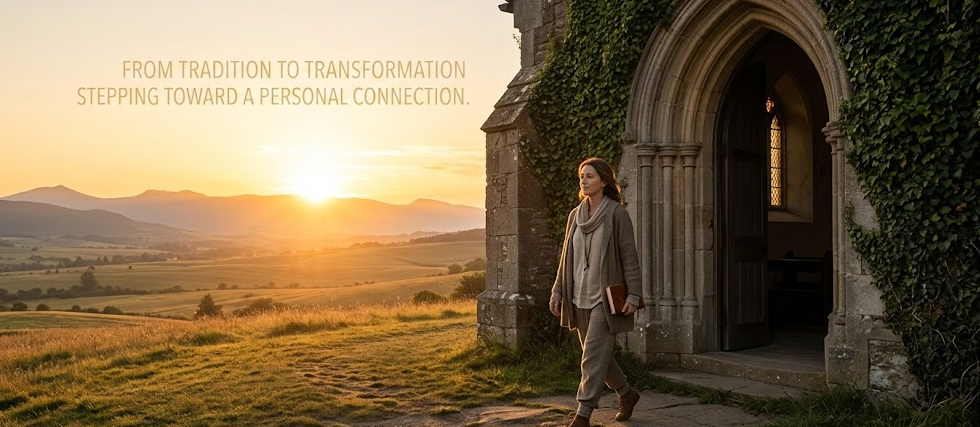
The modern spiritual landscape is undergoing a massive shift as more individuals move away from organized structures to seek something deeper. Many people today identify as personal relationship with God seekers, preferring a direct heart-to-heart connection over rigid sets of rules. This transition represents a move from inherited traditions toward a lived, breathing experience of the divine that feels authentic and personal.
For centuries, faith was often defined by the building you attended or the specific creed you recited every Sunday. However, the soul often craves more than just ritual; it hungers for a presence that is felt in the quiet moments of daily life. When we step outside the box of tradition, we open the door to a transformation that changes how we view ourselves and the world.
Understanding the Shift in Modern Spirituality
The rise of those who claim to be spiritual but not religious highlights a global desire for autonomy in faith. This movement isn’t about rejecting the divine, but rather about rejecting the middleman often found in institutionalized settings. People are realizing that the Creator is not confined to stone walls or ancient scripts but is accessible to everyone, everywhere, at any time.
This shift allows for a more fluid and inclusive approach to sacredness. Instead of following a pre-packaged set of beliefs, individuals are encouraged to explore their own hearts. This exploration leads to a sense of freedom where fear is replaced by love, and obligation is replaced by a genuine desire for closeness with the Infinite.
Cultivating a Personal Relationship with God
Building a Spiritual But Not Religious lifestyle often begins with the realization that God is a relatable presence rather than a distant judge. To cultivate this bond, one must prioritize stillness and intentionality in their routine. It is through the consistent practice of turning inward that the noise of the world fades, allowing the gentle whisper of the Spirit to become audible.
A personal bond with the divine thrives on honesty. You don’t need fancy words or liturgical prayers to be heard. You simply need a willing heart that is ready to share its joys, fears, and questions. As you treat this connection like a friendship, it grows stronger, becoming an anchor that holds you steady through life’s inevitable storms and uncertainties.
Finding God in the Ordinary Moments
One of the most beautiful aspects of this journey is discovering that the sacred exists in the mundane. You might feel a divine spark while walking through a forest, sipping your morning coffee, or watching a sunset. These moments are invitations to recognize that the divine is woven into the very fabric of our everyday existence.
When you stop looking for God only in special ceremonies, you start seeing signs of grace everywhere. This awareness transforms your perspective, making every breath a prayer and every kind act an offering. It removes the barrier between the “holy” and the “secular,” revealing that all of life is actually a sacred playground for spiritual growth.
The Power of Intuition and Inner Guidance
In a traditional setting, people are often told what to think and how to act. In a personal journey, however, your primary guide is your intuition. This inner compass is believed to be the voice of the divine dwelling within you, offering wisdom that is specifically tailored to your unique life path and soul’s evolution.
Learning to trust this inner guidance requires practice and patience. It involves distinguishing between the loud demands of the ego and the quiet, steady nudges of the soul. As you lean into this guidance, you find that your life begins to align more naturally with your true purpose, bringing a sense of peace that transcends human understanding.
Overcoming the Fear of Leaving Tradition
Many people feel a sense of guilt or fear when they first step away from the religious traditions of their childhood. They may worry about disappointing their families or facing divine judgment. However, true transformation requires letting go of fear-based beliefs to make room for a relationship built entirely on unconditional love and acceptance.
Recognizing that the divine is a source of infinite grace helps to dissolve these lingering anxieties. God is not interested in your adherence to a checklist; God is interested in your heart. Once you embrace this truth, the transition from religious obligation to spiritual freedom becomes a joyful homecoming rather than a frightening departure from the known.
Building a Personalized Spiritual Practice
A personalized practice is unique to every individual and can include various elements that resonate with your soul. Some find peace in meditation and breathwork, while others find God through creative expression like painting or writing. There are no “wrong” ways to connect as long as the intention is rooted in sincerity and a desire for growth.
- Daily Stillness: Dedicating time each morning to sit in silence and listen.
- Journaling: Writing letters to the divine to process emotions and receive clarity.
- Nature Immersion: Connecting with the Creator through the beauty of the natural world.
- Sacred Reading: Exploring diverse texts that inspire and challenge your spiritual perspective.
- Acts of Service: Expressing divine love by helping others in your community.
Navigating the Challenges of Independence
Walking a path that is not clearly marked by a church or mosque can sometimes feel lonely. Without a community of like-minded believers, you may occasionally wonder if you are on the right track. It is important during these times to seek out virtual communities or small groups that value individual exploration and spiritual diversity.
Independence doesn’t mean isolation; it means choosing your influences wisely. Surround yourself with voices that encourage your personal growth rather than those that demand your conformity. By doing so, you maintain the integrity of your personal connection while still benefiting from the collective wisdom of other seekers who are also traversing the spiritual landscape.
The Fruits of a Transformed Life
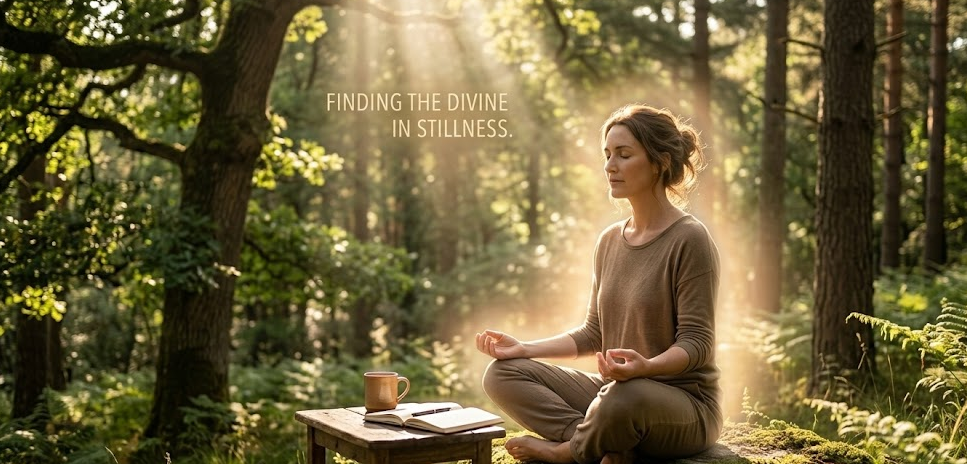
The result of embracing this path is a profound sense of inner wholeness. You no longer look outside yourself for validation or salvation because you know the source of all life dwells within you. This realization brings about a character transformation characterized by increased compassion, patience, and a deep, unshakable joy that doesn’t depend on external circumstances.
When you live from a place of divine connection, your interactions with others change. You begin to see the divine spark in everyone you meet, leading to more harmonious relationships and a greater desire to contribute to the well-being of the world. Your life becomes a living testimony to the power of a heart that has found its home in the divine.
Conclusion
Moving from tradition to transformation is a courageous act of reclaiming your spiritual sovereignty. By prioritizing a direct connection with the Infinite, you bypass the limitations of man-made structures and enter into a vibrant, living reality. This journey is not about reaching a final destination but about the ongoing process of unfolding into the person you were always meant to be.
Ultimately, the goal of being a seeker is to live with an open heart and a clear mind. Whether you call it God, the Universe, or the Divine Inner, the essence remains the same: you are never alone. Embracing this relationship is the key to a life filled with meaning, purpose, and an everlasting sense of divine peace.
Leave a Reply