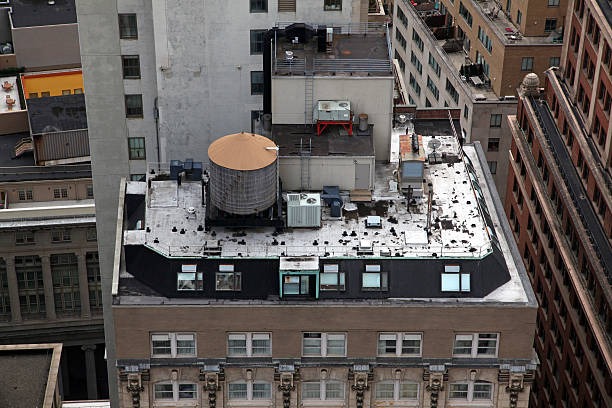
Managing HVAC systems effectively requires attention to water quality, especially in large commercial and residential buildings. NYC HVAC Water Treatment is a key practice that ensures systems remain efficient and safe. Without proper treatment, water-related issues can quickly escalate into costly and hazardous problems.
Common Issues in HVAC Water Systems
HVAC systems are prone to several water-related challenges, including scaling, corrosion, and microbial growth. NYC HVAC Water Treatment addresses these issues by maintaining proper chemical balance and preventing harmful buildup.
Scaling reduces heat transfer efficiency, while corrosion weakens system components. By implementing NYC HVAC Water Treatment, building managers can minimize these risks and maintain consistent performance.
The Importance of Monitoring and Testing
Monitoring water quality is essential for identifying potential problems early. NYC Legionella Testing plays a crucial role in detecting harmful bacteria that may develop in HVAC systems. This testing is particularly important in cooling towers, where conditions are ideal for bacterial growth.
Regular NYC Legionella Testing ensures that any contamination is identified and addressed promptly. This proactive approach helps protect both system performance and occupant health.
Creating a Comprehensive Maintenance Plan
A successful maintenance plan includes regular inspections, chemical treatments, and testing schedules. NYC HVAC Water Treatment should be performed consistently to maintain water quality and system efficiency.
Incorporating NYC Legionella Testing into the maintenance plan ensures continuous monitoring of biological risks. This combination provides a well-rounded approach to system management.

Enhancing Energy Efficiency
Energy efficiency is a major concern for building owners. Poor water quality can reduce system efficiency, leading to higher energy consumption. NYC HVAC Water Treatment helps maintain clean surfaces and efficient heat exchange, reducing energy usage.
Additionally, NYC Legionella Testing supports efficiency by preventing contamination-related disruptions. A well-maintained system operates more smoothly and consumes less energy.
Leveraging Technology for Better Results
Modern technology has transformed the way HVAC systems are managed. Automated monitoring systems can track water quality in real time, allowing for immediate adjustments. NYC HVAC Water Treatment programs often use these technologies to improve accuracy and efficiency.
Similarly, advancements in NYC Legionella Testing provide faster and more reliable results. These innovations make it easier to maintain compliance and ensure system safety.
Addressing Urban Challenges
Urban environments present unique challenges for HVAC systems, including high usage and environmental stress. NYC HVAC Water Treatment helps address these challenges by maintaining system integrity and performance.
At the same time, NYC Legionella Testing is essential in densely populated areas where contamination risks are higher. Regular testing ensures that systems remain safe and compliant.
Conclusion
Effective HVAC management requires a proactive approach to water treatment and testing. NYC HVAC Water Treatment ensures system efficiency and longevity, while NYC Legionella Testing protects health and safety. By following best practices, building owners can maintain reliable and compliant systems in a demanding urban environment.
Leave a Reply